Rider
Ride-hailing that works where others don't.
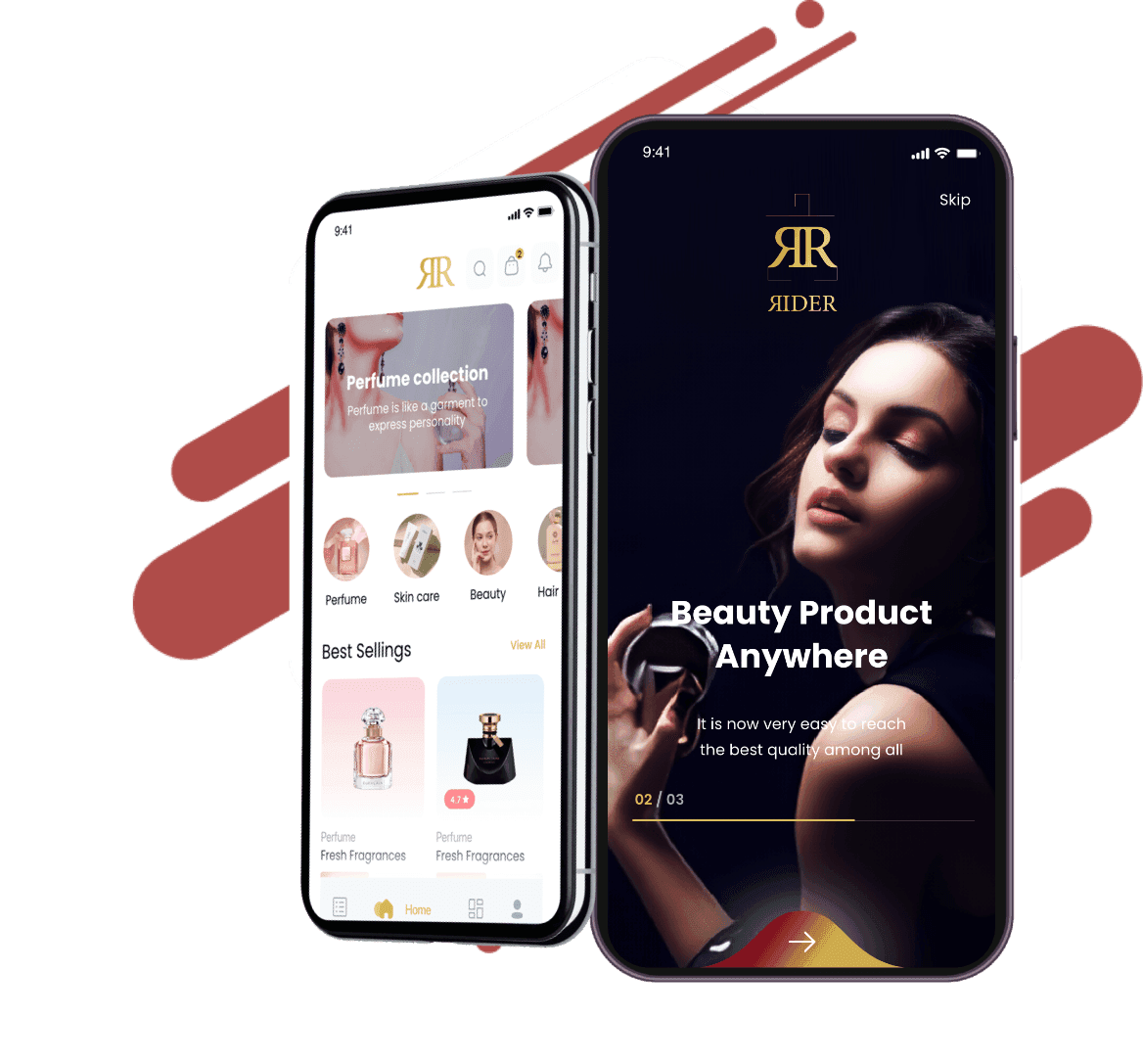
Rider is a full-stack ride-hailing platform built specifically for tier-2 and tier-3 cities in emerging markets. It ships two separate React Native apps, one for passengers and one for drivers, connected by a WebSocket-powered real-time matching engine that stays functional on 2G networks and sub-₹5,000 Android devices. Built as a developer on the project.
The Problem We Solved
Uber and Ola had abandoned smaller cities because the unit economics didn't work for them. But those cities had real demand: auto-rickshaw and cab commuters with no reliable booking option, and drivers with no way to build a steady customer base. The apps that existed required 4G, consumed 200MB+ of storage, and crashed on devices with 1GB RAM, which were exactly the phones most drivers in these markets used. The client needed a platform that could function in genuinely hostile network conditions without sacrificing the real-time experience riders expect.
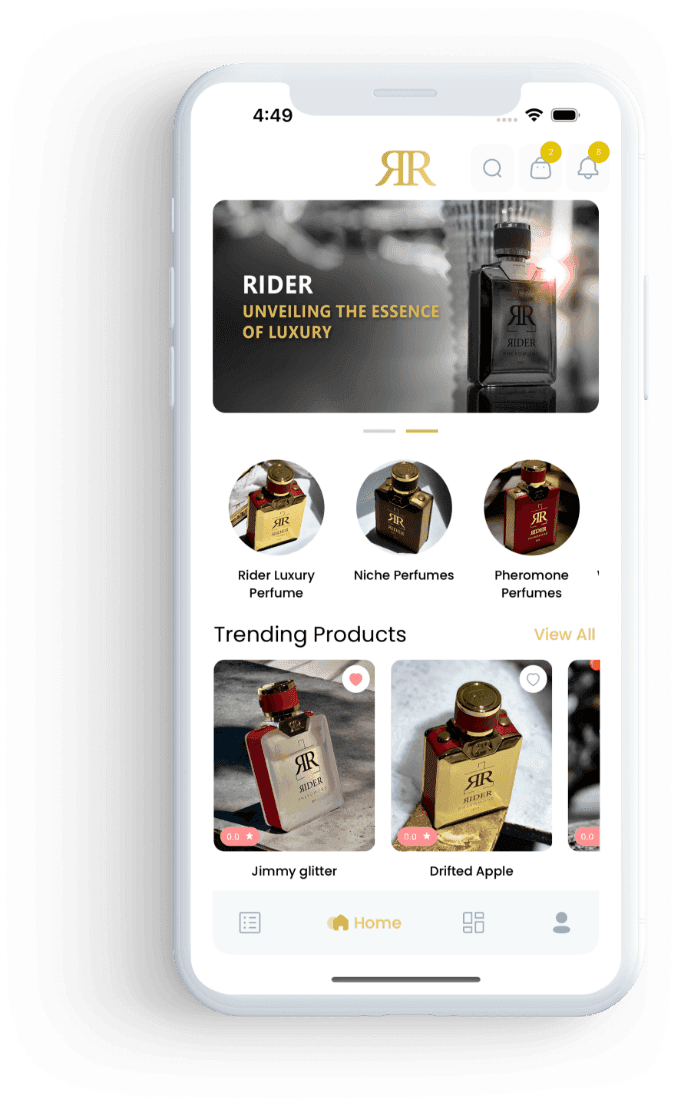
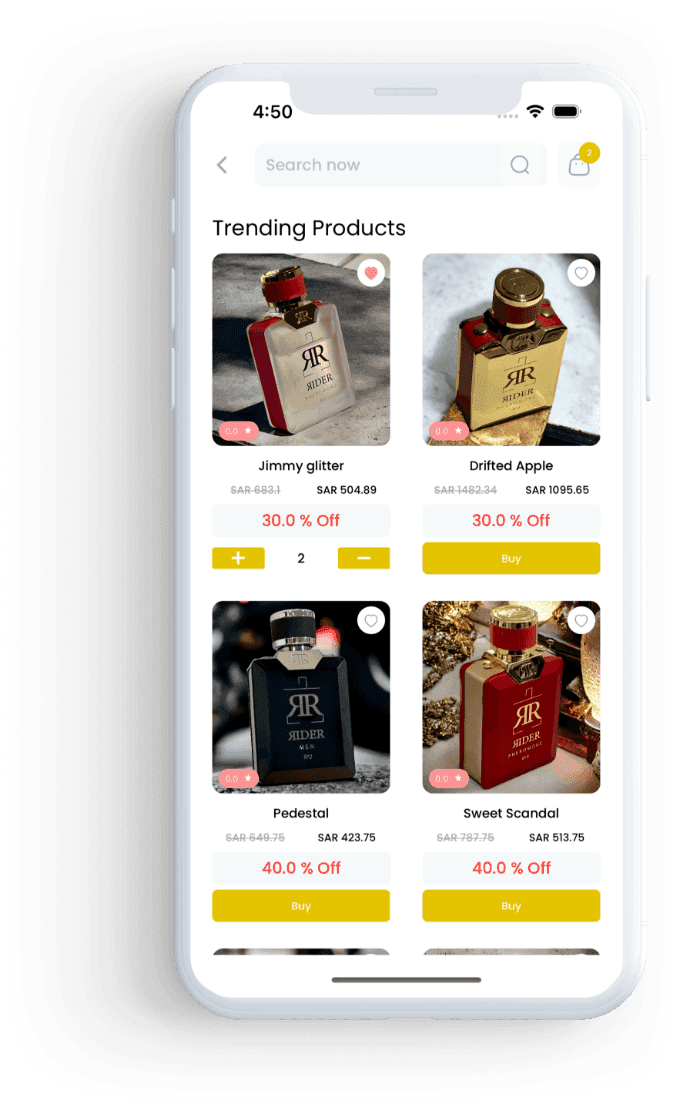
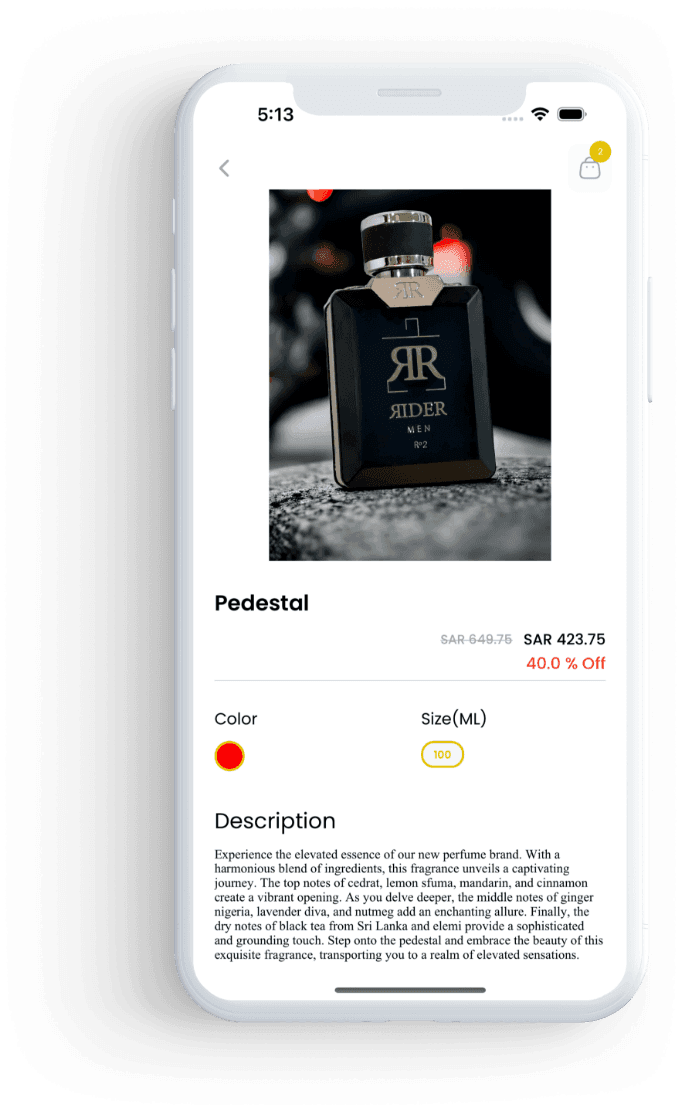
What We Built
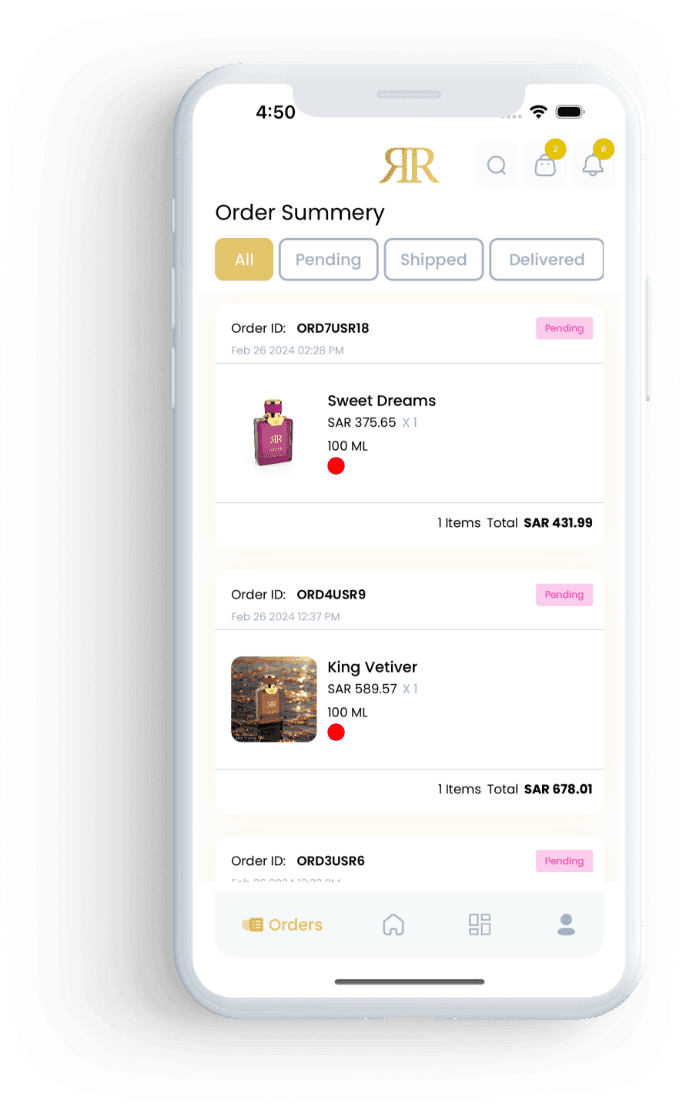
We built two separate React Native apps, passenger and driver, sharing a common Node.js backend. The matching engine runs over Socket.io with an intelligent reconnect strategy: ride requests are queued server-side and replayed when a driver's connection drops and recovers, so a 10-second 2G outage doesn't lose a booking. The driver app was specifically optimised for Android Go: assets compressed, heavy libraries swapped for lightweight alternatives, and background location tracking tuned to consume under 5% battery per hour. Dynamic surge pricing uses a Redis-backed demand heatmap updated every 90 seconds. Google Maps SDK handles routing with offline tile caching for frequently-travelled corridors.
What We Achieved
Driver-passenger match time under 8 seconds on stable connections
Ride requests survive network drops of up to 45 seconds without loss
App runs on Android devices with 1GB RAM and 8GB storage
Background location tracking under 5% battery consumption per hour
Dynamic pricing responding to demand changes within 90 seconds
Have a similar challenge?
We'd love to hear about it. Let's talk through what we can build together or see how we approach App Development, E-commerce, MVP Development and CRM / ERP Systems.
Start a conversation